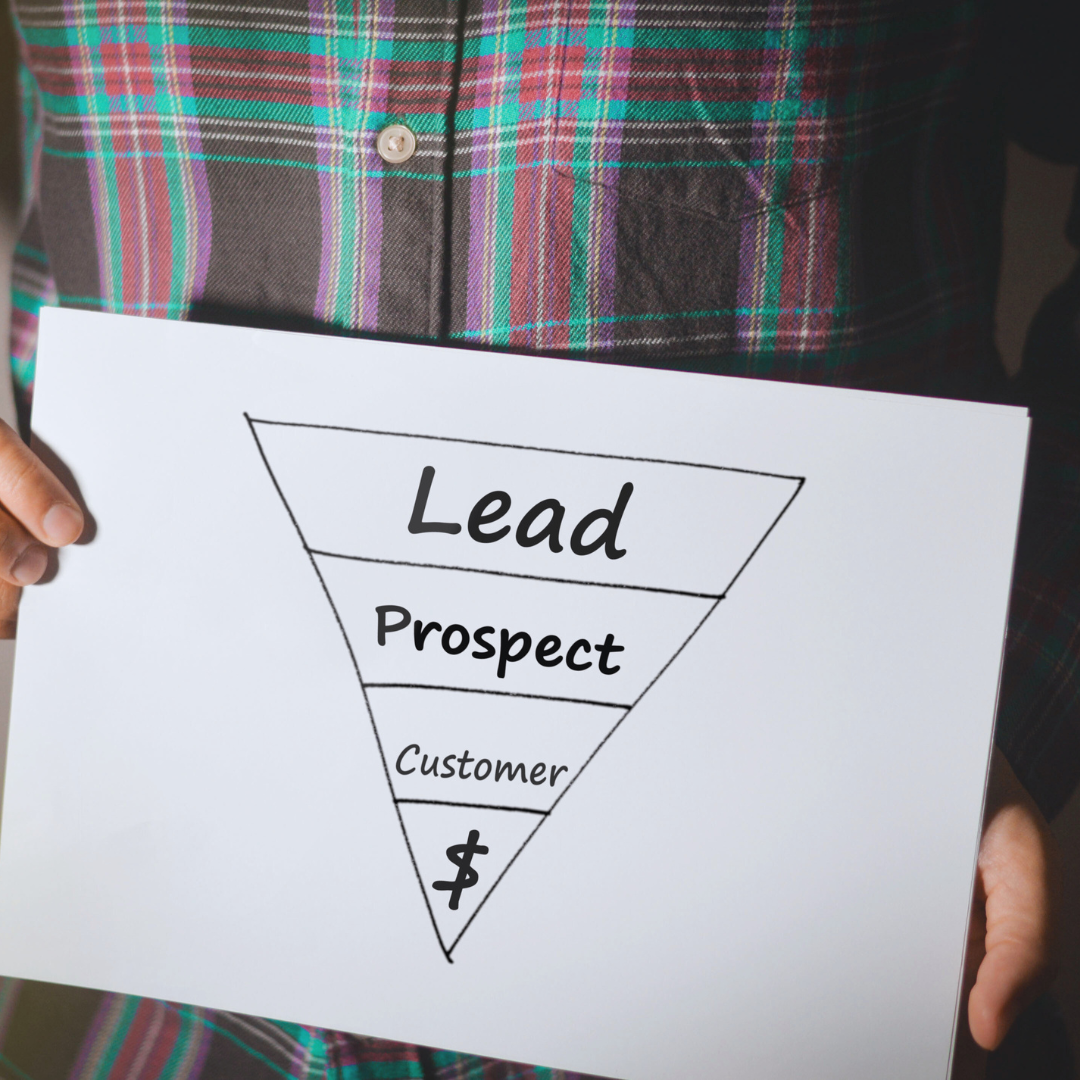
Creating a sales funnel is about guiding potential customers through defined steps, turning interest into a purchase. A sales funnel typically starts with attracting leads, nurturing their interest, and then converting them into paying customers. Understanding this process helps businesses optimize each stage for better results.
Each part of the funnel has a specific goal, from generating awareness to encouraging action. A clear, well-structured funnel can improve sales efficiency by addressing customer needs at the right time.
By breaking down your sales funnel into manageable stages, you can target your marketing efforts and increase conversion rates. This methodical approach is essential for sustainable growth.
Understanding Sales Funnels
A sales funnel is a structured process that guides potential customers from initial awareness to making a purchase. It breaks down the customer journey into manageable steps and highlights how businesses can optimize each phase to increase conversions.
Definition and Purpose
A sales funnel is a marketing model that illustrates the path prospects take before becoming customers. Its purpose is to organize and track this journey, enabling businesses to tailor their strategies at every stage.
The funnel metaphor represents how a large group of potential customers narrows down to fewer actual buyers. This process allows marketers to understand customer behavior and address obstacles that prevent conversions.
By clearly identifying stages, businesses can focus their resources more efficiently and improve overall sales performance.
Stages of a Sales Funnel
Typically, a sales funnel has three main stages: Awareness, Consideration, and Decision.
- Awareness: Prospects discover a product or service through advertising, SEO, or referrals.
- Consideration: Interested individuals evaluate options, seeking more information, reviews, or comparisons.
- Decision: Potential customers decide to buy or reject the offer based on value and trust.
Some funnels include post-purchase follow-up to encourage loyalty and repeat business. Each stage requires different marketing tactics to move prospects closer to buying.
Benefits for Businesses
Sales funnels help businesses identify where prospects drop off, making it easier to improve specific stages. They provide measurable insights into marketing efforts, allowing for better budget allocation.
Focusing on the funnel increases the chances of converting leads into paying customers by addressing their needs progressively. It also enhances customer experience by delivering relevant content at the right time.
With clear funnels, businesses can predict revenue more accurately and scale their sales processes systematically.
Identifying Your Target Audience
Understanding who your potential customers are is essential to building an effective sales funnel. This process involves gathering accurate data, creating detailed customer profiles, and dividing your audience into meaningful groups for tailored marketing.
Market Research Techniques
Start by collecting data through surveys, interviews, and analyzing competitors. Surveys provide quantifiable insights into customer preferences and pain points. Interviews offer qualitative depth to understand motivations and challenges directly from your audience.
Use tools like Google Analytics and social media insights to track behavior patterns and demographics. Competitor analysis reveals market gaps and strategies that attract your target customers.
Combine primary data (collected firsthand) with secondary data (existing market reports) for a well-rounded view. This mix helps identify trends and behaviors specific to your product or service’s niche.
Creating Customer Personas
Customer personas are fictional profiles representing ideal customers. They encompass demographics, interests, challenges, and buying behaviors. Define details like age, location, income, and education.
Add psychographic information such as lifestyle, values, and decision-making processes. This clarity helps tailor messaging and offers that resonate directly with real customer needs.
Personas also highlight pain points, enabling you to frame your product as a solution. Keep personas updated regularly as you gather new data to ensure they reflect changing market conditions.
Segmenting Your Audience
Segmenting breaks your audience into smaller, distinct groups based on characteristics like behavior, geography, or purchase history. This allows for personalized marketing strategies and optimized resource allocation.
Common segments include demographics (age, gender), psychographics (interests, values), and behavioral data (buying frequency, product preferences). Use CRM tools to tag and track these segments effectively.
Tailored communication to each segment increases engagement rates and conversion potential. For example, new prospects might receive educational content, while repeat buyers get loyalty offers.
Mapping the Customer Journey
Understanding how potential customers move through various stages helps build an effective sales funnel. This requires identifying their experiences, interactions, and challenges from first contact to purchase.
Awareness to Conversion Path
The journey begins when a potential customer becomes aware of your product or service. This initial stage often involves ads, social media posts, or search engine results. Tracking which channels generate the most engagement helps prioritize marketing efforts.
As interest grows, the customer seeks more information. They may visit your website, read reviews, or download resources. The goal is to move them from curiosity to active consideration.
The final step is conversion, where the prospect makes a purchase or takes the desired action. Simplifying the checkout process and offering clear calls to action improve conversion rates.
Touchpoints and Interactions
Touchpoints are moments where customers engage with your brand. These include emails, website visits, social media comments, and customer service calls. Mapping these interactions reveals where your funnel may be strong or weak.
Use tools like CRM software or analytics to collect data on customer interactions. This data identifies key moments that influence decision-making, such as a well-timed follow-up email or helpful webinar.
Optimizing touchpoints means tailoring content and messages for each stage of the journey. Consistency and relevance across channels build trust and encourage progression toward purchase.
Pain Points and Opportunities
Customers often encounter obstacles that delay or stop their journey. Common pain points include confusing website navigation, slow response times, or unclear product information. Identifying these through feedback or analytics is critical.
Every pain point presents an opportunity to improve. Fixing broken links, providing live chat support, or simplifying pricing can increase satisfaction and reduce drop-offs.
Regularly reviewing pain points and measuring the impact of fixes helps adapt the funnel to changing customer needs. A well-tuned funnel addresses problems before they impact sales.
Designing Your Sales Funnel
A well-structured sales funnel guides potential customers from discovery to purchase efficiently. It requires careful planning of each stage, targeted offers, and tailored content that meets visitors’ needs at every step.
Selecting Funnel Stages
Identify the key phases your customers go through, typically Awareness, Consideration, and Decision. Each stage should reflect a specific mindset and level of readiness to buy.
Awareness focuses on attracting traffic. Consideration builds interest and trust. A decision encourages action, such as making a purchase or inquiry. Some funnels include additional stages like Retention or Advocacy, but the core three work for most businesses.
Define clear goals for each stage. This helps measure funnel performance and optimize for conversions. Avoid too many stages that complicate the process or create bottlenecks.
Crafting Offers for Each Stage
Offers must match the intent and needs at each funnel phase. At Awareness, free lead magnets like eBooks or webinars generate contact information.
During Consideration, provide detailed content such as case studies, product demos, or consultations to build credibility.
In the Decision stage, strong calls-to-action (CTAs) like discounts, trials, or limited-time deals drive purchases. Each offer should be specific, valuable, and easy to access.
Align the offers with your audience’s pain points and buying triggers to increase engagement.
Aligning Content with Funnel Steps
Content must support users in moving smoothly through the funnel. At Awareness, focus on educational blog posts, social media updates, and videos that introduce your solution.
For Consideration, use comparison guides, testimonials, and FAQs that address objections and highlight benefits.
Decision-stage content should be persuasive and clear, like checkout optimizations, guarantee statements, and personalized follow-ups.
Maintain consistent messaging and tone across content types to reinforce your brand and build trust.
Generating Leads for Your Funnel
Generating leads requires offering clear value, optimizing user experience, and ensuring easy data capture. The most effective methods combine compelling offers with streamlined processes designed to convert visitors into contacts.
Lead Magnet Strategies
Lead magnets provide something valuable in exchange for contact information. Common types include ebooks, checklists, webinars, and free trials. It’s critical to align the magnet with your target audience’s needs to increase sign-ups.
Focus on relevance and immediate usefulness. For example, a detailed guide addressing a specific problem draws more interest than generic content. The lead magnet should be easy to consume and clearly outline the benefit.
Promotion tactics matter. Use social media, email campaigns, or blog posts to highlight the lead magnet. Consistency in messaging strengthens trust and encourages engagement, boosting your lead pool.
Effective Landing Pages
Landing pages serve as targeted entry points designed to drive conversions. They should include a concise headline, a compelling value proposition, and minimal distractions to focus visitors on the call-to-action (CTA).
Use clear, benefit-driven language. Visual elements like images or videos can reinforce your message, but must not overwhelm. White space and simple layouts help users concentrate.
Ensure fast loading times and mobile responsiveness. A/B testing different page elements like headlines, CTAs, and form fields helps identify the optimal combination for higher conversion rates.
Integrating Lead Capture Forms
Lead capture forms must be straightforward and placed strategically. Typically, fewer fields increase the chances of completion, with essential information like name and email address prioritized.
Design forms with clear labels and easy inputs. Inline validation can reduce errors, improving the user experience. Placing forms above the fold or following valuable content elements increases visibility.
Integrate forms with your CRM or email marketing tools for immediate follow-up. Automated responses or thank-you messages confirm receipt and maintain engagement momentum.
Nurturing Prospects Through the Funnel
Effective nurturing involves consistent, targeted communication to move leads closer to purchase. Using multiple engagement tactics ensures prospects stay interested without feeling overwhelmed.
Email Marketing Sequences
Email sequences should deliver value based on where the lead is in the funnel. Begin with informative content that addresses common questions or pain points.
Use a clear schedule—usually 3 to 7 emails spaced over days or weeks. Each message builds on the last, gradually introducing product features and benefits.
Include strong calls-to-action (CTAs) like demo requests or free trials. Segment lists by behavior or demographics to increase relevance. Tracking open and click rates allows optimization of content and timing for better conversion.
Retargeting Campaigns
Retargeting keeps your brand visible to visitors who didn’t convert immediately. Use pixel tracking to identify these prospects and serve customized ads across platforms like Facebook and Google.
Focus on showing relevant offers or content based on the page they visited. For example, someone who viewed a pricing page might see ads highlighting competitive advantages or discounts.
Limit ad frequency to avoid annoyance. Combine retargeting with email efforts for a cohesive reminder strategy that encourages re-engagement.
Personalization and Automation
Personalization increases response rates by making prospects feel understood. Use data like past interactions, location, and preferences to tailor messages.
Automation platforms enable sending timely, relevant content without manual effort. Set up triggers—such as downloading a resource or clicking a link—to deliver specific follow-ups automatically.
Dynamic content in emails or landing pages adapts based on the lead’s profile. This improves user experience and drives higher engagement by avoiding generic communications.
Converting Leads into Customers
Turning interested leads into paying customers requires deliberate actions and well-trained techniques. Addressing concerns and simplifying the purchase process are critical to improve conversion rates and finalize sales effectively.
Sales Techniques and Tactics
Use consultative selling to focus on understanding the customer’s needs before pitching your product. Ask targeted questions that reveal real pain points. This approach builds trust and positions your product as a tailored solution.
Leverage social proof such as testimonials and case studies to increase credibility. Highlight clear benefits rather than just features.
Employ urgency and scarcity techniques carefully, like limited-time offers or stock alerts, to motivate quicker decisions without seeming pushy.
Overcoming Buyer Objections
Identify common objections early, such as price concerns or doubts about product effectiveness. Prepare clear, factual responses that address these issues directly. Avoid vague reassurances.
Use active listening to validate the customer’s feelings and show understanding. Restate concerns before responding to ensure clarity.
Provide guarantees, flexible return policies, or demonstrations to reduce perceived risk. These tactics build confidence and lower hesitation barriers.
Optimizing Checkout Processes
Streamline the checkout by removing unnecessary steps, making form fields minimal and clear. Use auto-fill options for quicker input.
Offer multiple, secure payment methods such as credit cards, digital wallets, and financing options to cover customer preferences.
Display trust badges and clear shipping, return, and privacy policies near the checkout to reassure buyers. Avoid unexpected fees at the last step; transparency improves completion rates.
Measuring Funnel Performance
Effective measurement focuses on tracking specific metrics, identifying where prospects leave, and testing variations to improve conversions. Understanding these details allows for data-driven adjustments to your sales process.
Key Performance Metrics
Tracking the right metrics ensures you understand how your funnel operates. Conversion rate measures the percentage of visitors who take the desired action at each stage. Cost per lead (CPL) tracks how much you spend acquiring each prospect.
Average time to conversion indicates the length of the buying cycle, revealing possible delays. Monitoring bounce rate highlights if visitors leave immediately, signaling potential issues with landing pages or offers. Use tools like Google Analytics or CRM software to gather this data systematically.
Analyzing Funnel Drop-Off Points
Pinpointing where prospects abandon the funnel is critical. Look at stage-by-stage conversion rates to detect sharp declines. For example, a high drop-off between lead capture and follow-up email might indicate weak messaging or unappealing offers.
Use heatmaps and session recordings to observe user interactions on key pages. Identifying technical issues, complex forms, or unclear calls to action can explain exit points. Focus improvements on these stages to recover lost prospects and increase overall funnel efficiency.
A/B Testing and Conversion Rate Optimization
A/B testing compares two versions of a funnel element to determine which performs better. Test headlines, call-to-action buttons, images, or email copy. Keep changes isolated to accurately identify impact.
Review conversion rates, click-through rates, and engagement metrics to judge success. Use findings to refine messaging and design iteratively. Continuous testing supports ongoing conversion rate optimization, improving funnel effectiveness through evidence-based changes.
Optimizing and Scaling Your Sales Funnel
Improving your sales funnel requires ongoing adjustment, using data to refine each stage for better conversion. Automation can streamline processes, reducing manual work while maintaining personalized customer experiences. Expanding your reach to new markets demands targeted strategies and adaptability.
Iterative Improvements
Regularly analyze funnel metrics such as conversion rates, drop-off points, and customer feedback to identify weaknesses. Use A/B testing for headlines, calls-to-action, and landing pages to determine what resonates best with your audience.
Implement changes based on test results incrementally to avoid disrupting the funnel’s flow. Focus on optimizing the top, middle, and bottom of the funnel individually, as improvements in any single stage can boost overall performance. Data-driven tweaks prevent guesswork and ensure continuous growth.
Leveraging Automation Tools
Automation tools like email sequence software, CRM integrations, and retargeting platforms reduce repetitive tasks. Set up triggers for personalized follow-ups based on user behavior to maintain engagement without extra manual effort.
Use tools like Zapier or HubSpot to connect marketing, sales, and customer service platforms. This ensures a seamless flow of information that keeps prospects moving forward. Effective automation frees time for strategic work while keeping your funnel active 24/7.
Expanding to New Markets
When entering new markets, research demographics, preferences, and local competitors thoroughly. Adapt your messaging, value propositions, and funnel stages to meet the specific needs of new audiences.
Test small campaigns initially to validate product fit and channel effectiveness before scaling spend. Use localized content and ads to improve relevance and response. Expansion without adjustment risks poor conversion and wasted resources, so focus on market-specific customization.
Common Mistakes to Avoid
One common mistake is neglecting the target audience. Without a clear understanding of who your customers are, your funnel may attract the wrong leads, wasting time and resources. Always define customer personas before building your sales funnel.
Another error is having too many steps. A complicated funnel can frustrate potential buyers and increase drop-off rates. Keep the process straightforward and focused on guiding leads toward a purchase efficiently.
Ignoring the importance of testing and optimization is a frequent pitfall. Sales funnels require regular analysis to identify bottlenecks. Use A/B testing to improve conversion rates and adjust messaging based on performance data.
Failing to provide value at each stage can also harm your funnel’s effectiveness. Leads need relevant content and compelling reasons to move forward. Ensure that every interaction addresses the lead’s needs and questions.
| Mistake | Description | Impact |
| Undefined Audience | No specific customer targeting | Poor lead quality |
| Overcomplicated Steps | Too many funnel stages | Increased drop-offs |
| No Optimization | Lack of testing and data review | Low conversion rates |
| Lack of Value | Insufficient or irrelevant content | Reduced engagement and sales |
Avoiding these mistakes improves the chances of building a successful and efficient sales funnel.
Conclusion
Creating an effective sales funnel involves understanding your target audience and guiding them through a clear, structured journey. Each stage—from awareness to action—requires specific tactics tailored to your customers’ needs and behaviors.
Consistency in communication and testing different approaches improves funnel performance over time. Data analysis helps identify weak points and informs necessary adjustments.
Key elements to focus on include:
- Clear value propositions
- Engaging content
- Strategic calls to action
- Seamless user experience
A well-designed funnel turns prospects into loyal customers by addressing pain points and building trust at every step.
Remember, no sales funnel is perfect from the start. Iteration and adaptation based on real customer data are essential for long-term success.
Use tools and automation to streamline processes, but keep the human element. Personalization and relevance strengthen connections.
By following these principles, building a sales funnel becomes a manageable and measurable process that supports sustainable growth.